If screen time feels like the one battle you never quite win, you’re not alone. Most conversations about kids and screen time start with a worried parent and end with a shrug. But every so often, the most clear-eyed voice in the room isn’t the expert or the parent — it’s the kid.
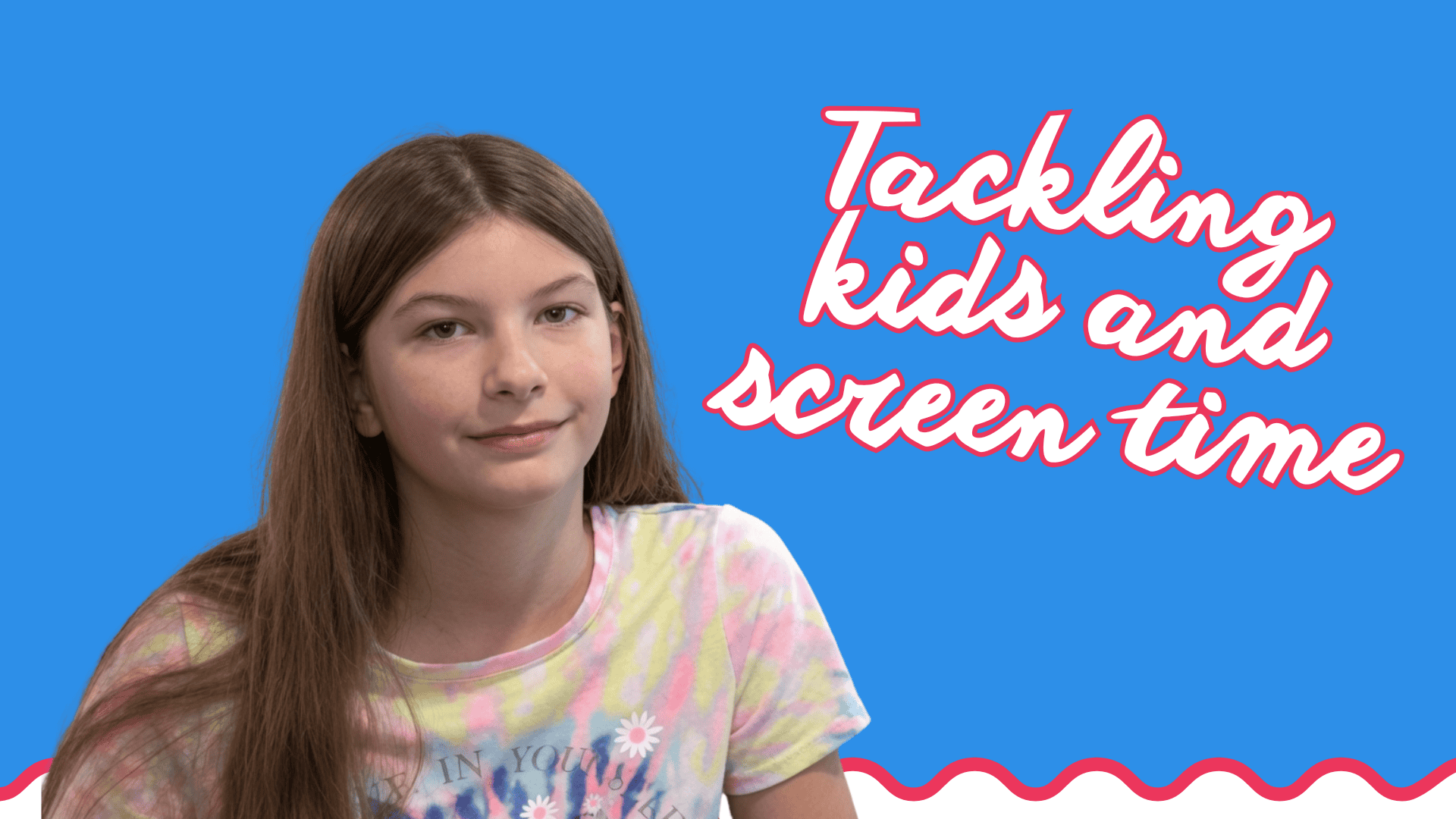
On a recent episode of The Screen Guardians Podcast, host Katie sat down with a fifth grader named Ali and her dad, Corey. Ali had just finished a year-long exhibition project titled “Logged In and Tuned Out: The True Impact of Screen Time.” What she learned changed her own habits — and her message for parents is full of hope, not fear.
Table of Contents
Meet Ali: The Fifth Grader Who Chose Screen Time
At Ali’s school, the exhibition project is the big send-off before students move on — a topic they choose a full year in advance, research all semester, and present to parents and teachers in a 20-to-30-minute talk.
Ali almost picked something else. She started with mental health, then nature. But her mom nudged her toward a thread that connected them all: technology. Once Ali started reading Jonathan Haidt’s The Anxious Generation, the topic clicked into place.
“Everybody was changing their topics,” she said. “I just got really into it. I was passionate.” She wasn’t chasing an easy grade. She was watching her classmates’ lives get quietly reshaped by their screens — and she wanted to understand why.
What Kids and Screen Time Really Look Like From a Kid’s Point of View
Here’s what makes Ali’s take on kids and screen time so worth hearing: she’s living inside the thing she studied. When she talks about the pull of a device, she’s not theorizing.
The most surprising thing she learned? That some of the people building these products understand the harm and keep going anyway. “They only care about the money,” she said. “They know it’s hurting us.” For a kid, that realization landed hard.
Ali also got honest about the warning signs she notices in herself when she’s been on a screen too long:
- Losing track of time — the “oh shoot, it’s been two hours” feeling
- A wave of embarrassment, “like everybody was watching,” even when no one was
- Getting more irritable and picking more fights with her parents
That’s remarkable self-awareness for any age. And it points to something The Screen Guardians teaches constantly: kids can learn to read their own signals when we give them the language for it.
Why Some Kids Don’t Want to Hear It
Not every kid welcomes this message, and Ali knows exactly why. Her analogy was perfect: “If somebody told me candy was bad, I’d still eat it anyway. The more you do something, the more attached you get to it.”
It’s not stubbornness. It’s attachment — the same reason a favorite stuffed animal is hard to give up. When something is woven into your daily routine, “this is bad for you” is a hard thing to hear, no matter how true it is.
This is why removing screens rarely fixes the problem on its own. Rules without understanding often breed rebellion. But when kids understand how technology is designed to hold their attention, curiosity replaces defensiveness — and that’s where real change starts. (how dopamine keeps kids coming back)
The Mirror Moment: What Ali Taught Her Dad
Some of the most honest moments in the episode came from Corey. A software engineer who grew up loving computers, he watched his daughter become the expert in the room — and then hold up a mirror.
“Dad, you have your phone out.” “You’ve been playing that game for an hour, you should get off.” Corey didn’t get defensive. He called it “a gift. A little humbling as a parent, but a gift.”
That’s the heart of it. This isn’t a kids-only problem. When The Screen Guardians surveys students and asks how many of their parents struggle with their own screen time, every single hand goes up. Our brains are fully developed and we still wrestle with it — so there’s no room for shame here, only honesty.
Corey’s approach with his younger kids has shifted toward being transparent about the balance in real time: “I’m really enjoying this game right now, and it’s okay for a while. But there’s a time where we need to choose something healthier.” Naming that out loud is how kids learn to do it themselves.
“It’s Not Too Late” — Ali’s Message of Hope
Ali is careful not to villainize technology. Screens, she says, are “a beautiful and a terrible creation depending on how you use them.” Some of her friends almost skipped her exhibition because they assumed she’d tell them to never touch a screen again. That wasn’t the point at all.
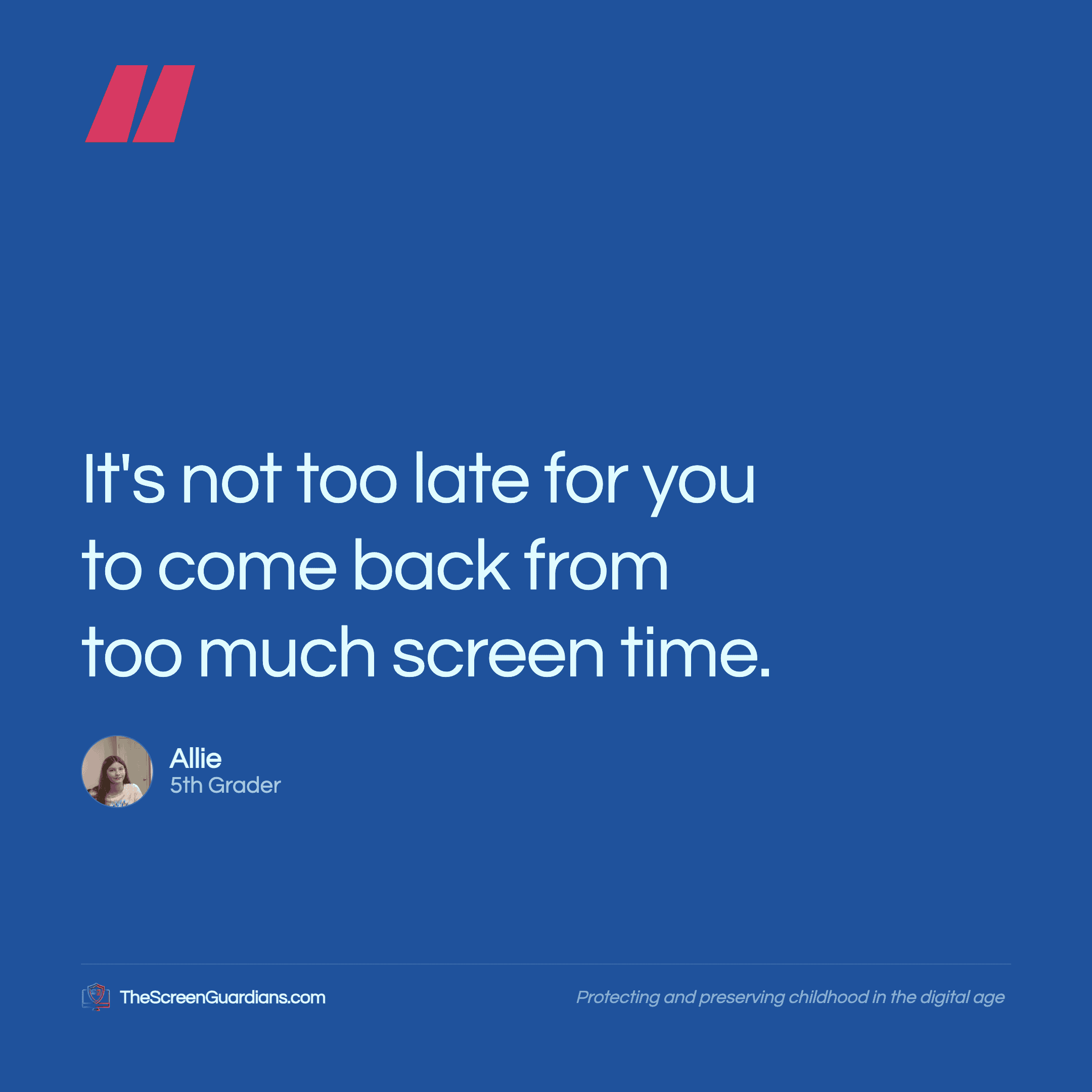
Her closing message — one she planned herself — is the kind of thing that sticks with you:
“If you’re on the screen right now and you’re doing it too much, it’s not too late. You can’t say it’s too late for you to come back, because it was not too late for me. That means it’s not too late for you.”
Shame has no place in this conversation. When you know better, you do better — and it’s never too late to start.
What Parents Can Take From This Episode
If Allie’s story lit a small fire under you, here’s where to channel it — no overhaul required:
- Trade lectures for curiosity. Kids resist “this is bad for you.” They lean into “here’s how this actually works.” (a calm, honest way to decide)
- Model the balance out loud. Narrate your own choices to power down. Transparency teaches more than rules.
- Watch for the signals, not just the clock. Irritability, lost time, and that low-grade guilt are cues — for kids and adults alike.
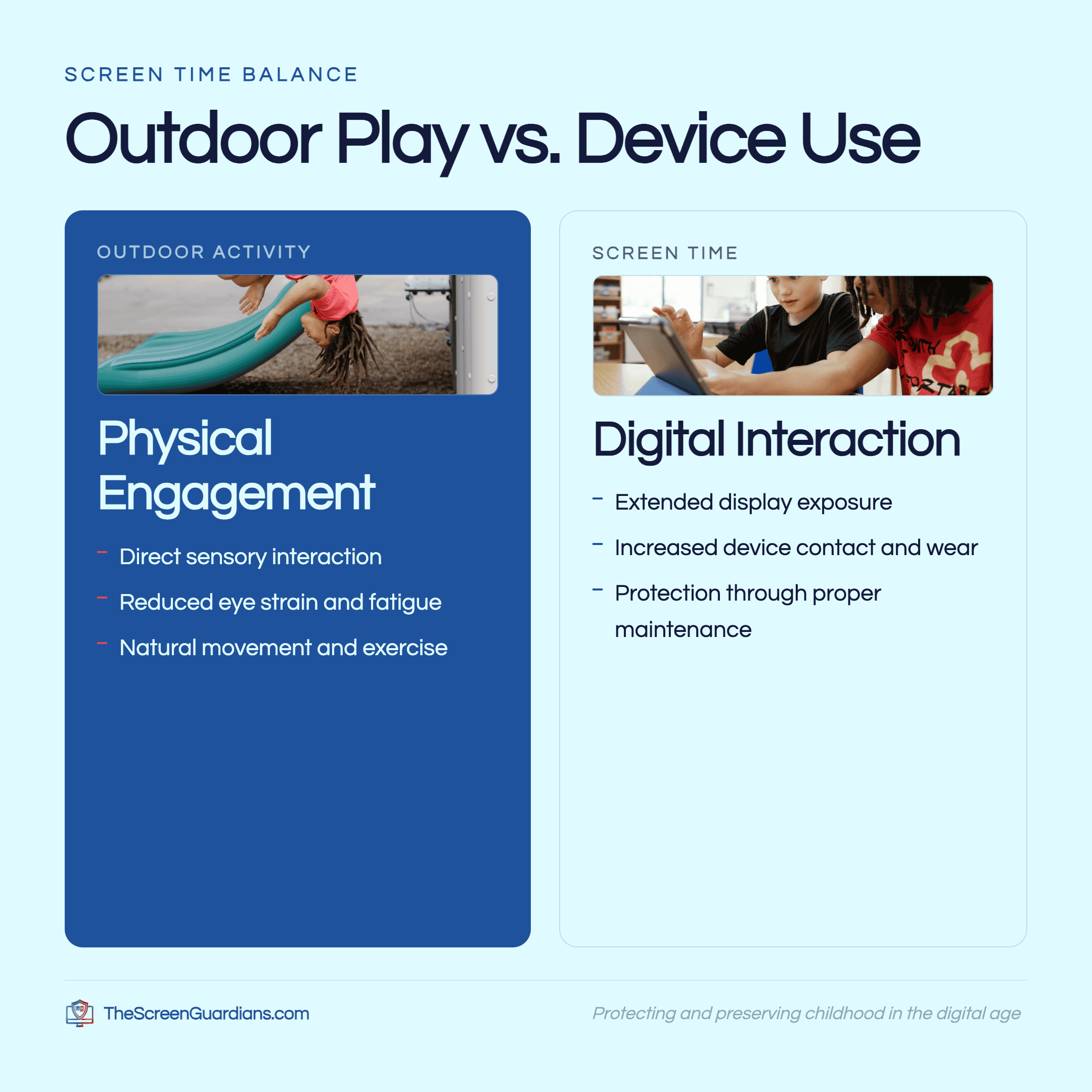
- Protect real-world play. As Allie put it, getting outside and playing lets kids “have fun, learn, and get back up when they make mistakes.” (kids build real-world confidence)
- Drop the shame. It’s not all-or-nothing. It’s balance — and it’s never too late to reset.
Not anti-technology. Pro-child. That’s the whole idea.
Frequently Asked Questions
Q: How much screen time is healthy for kids?
A: There’s no single magic number, because context matters more than a stopwatch. What kids are doing, when they’re doing it, and what it’s replacing (sleep, play, connection) matters more than raw minutes. The goal is intentional use over impulsive use — balance, not a total ban. (screen time by age)
Q: How do I talk to my kids about screen time without a fight?
A: Lead with curiosity instead of correction. Ask what they enjoy and how they feel afterward, and be honest about your own habits too. When kids understand why their brains respond to screens the way they do, they get more curious — not just more defensive.
Q: Is it too late if my child is already glued to a device?
A: No. As Allie says, it’s never too late to come back. Small, shame-free resets — deleting one addictive app, protecting outdoor time, modeling balance — add up quickly. Start where you are.
Q: What is The Anxious Generation and should I read it?
A: It’s Jonathan Haidt’s book on how the shift to phone-based childhood has affected kids’ mental health. It’s data-rich and eye-opening — and it inspired a fifth grader to change her habits, so it’s worth a look for parents wanting to understand the research.
Keep Going
Allie’s story is proof that education — not fear — is what actually shifts how kids and adults relate to their screens. You don’t have to navigate this alone. Listen to the full conversation on The Screen Guardians Podcast, and when you’re ready for real tools and steady support, the Parent Portal is a calm, judgment-free place to land. Start where you are — we’ll walk this digital parenting road with you, step by step.