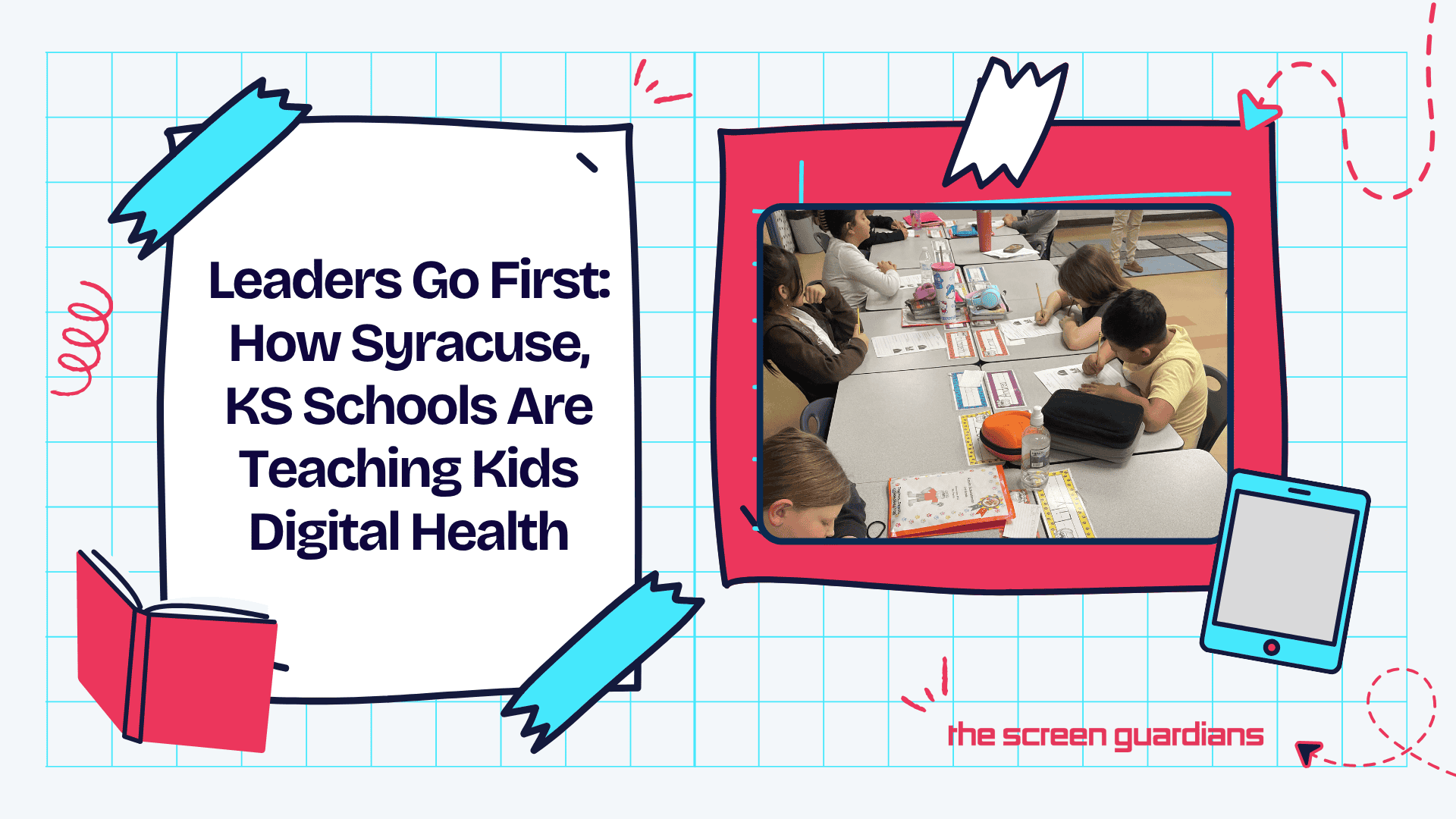
Something happened in Syracuse, Kansas this year that is worth paying attention to.
It didn’t start with a law. It didn’t start with a mandate or a state directive or a federal program. It started with a superintendent who had a problem he didn’t know how to solve, a principal willing to get into the weeds of something new, and a community of parents who showed up to a launch night and left changed.
That is how collective action works. Not all at once, and not from the top down. It starts with one leader who decides that waiting is no longer an option — and then watches as everyone around them rises to meet that decision.
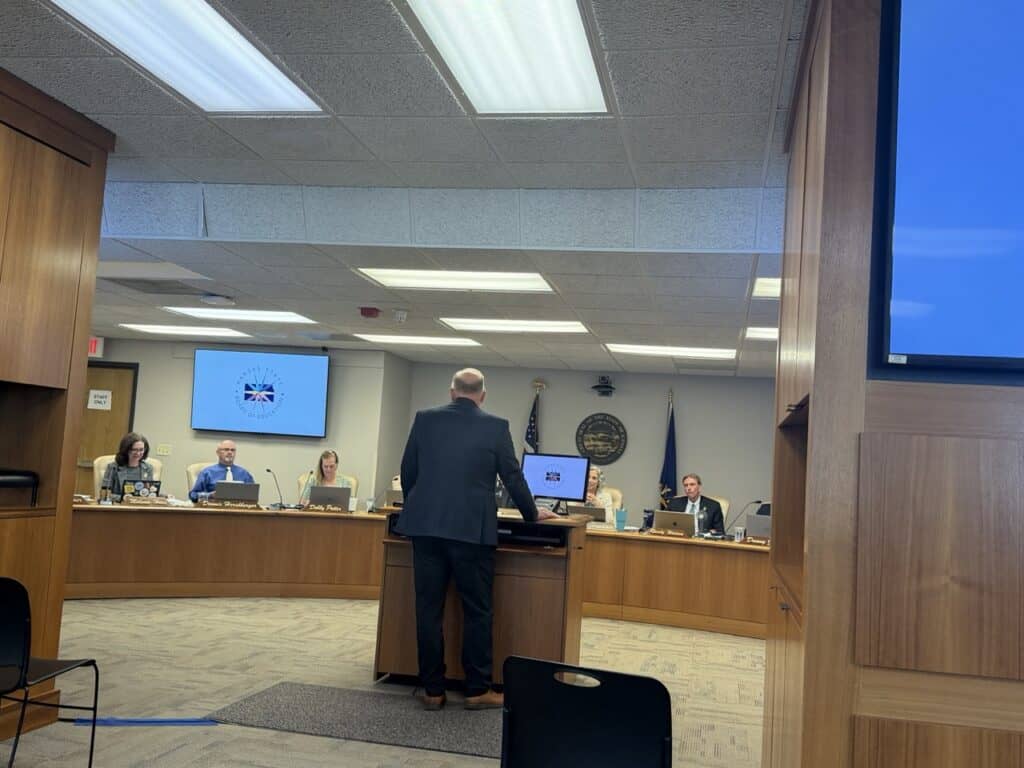
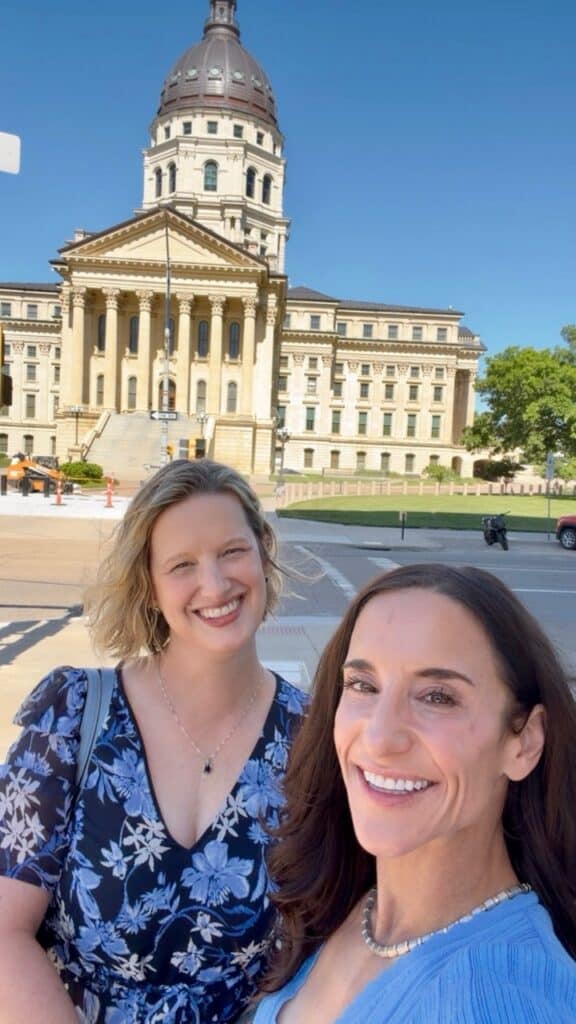
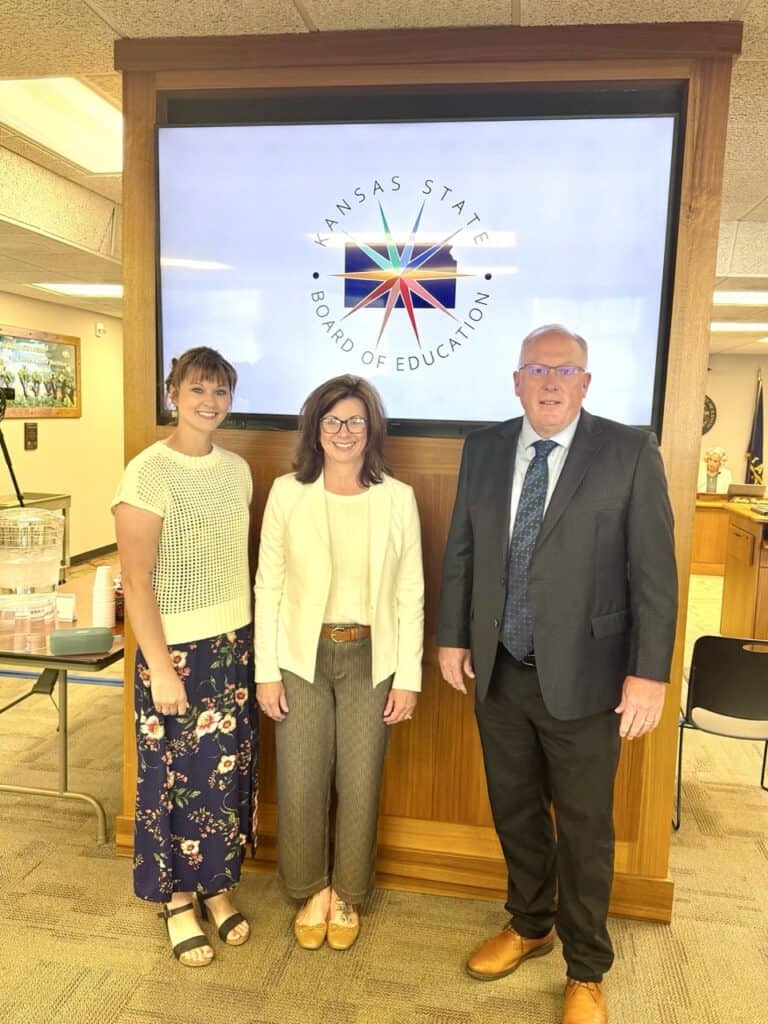
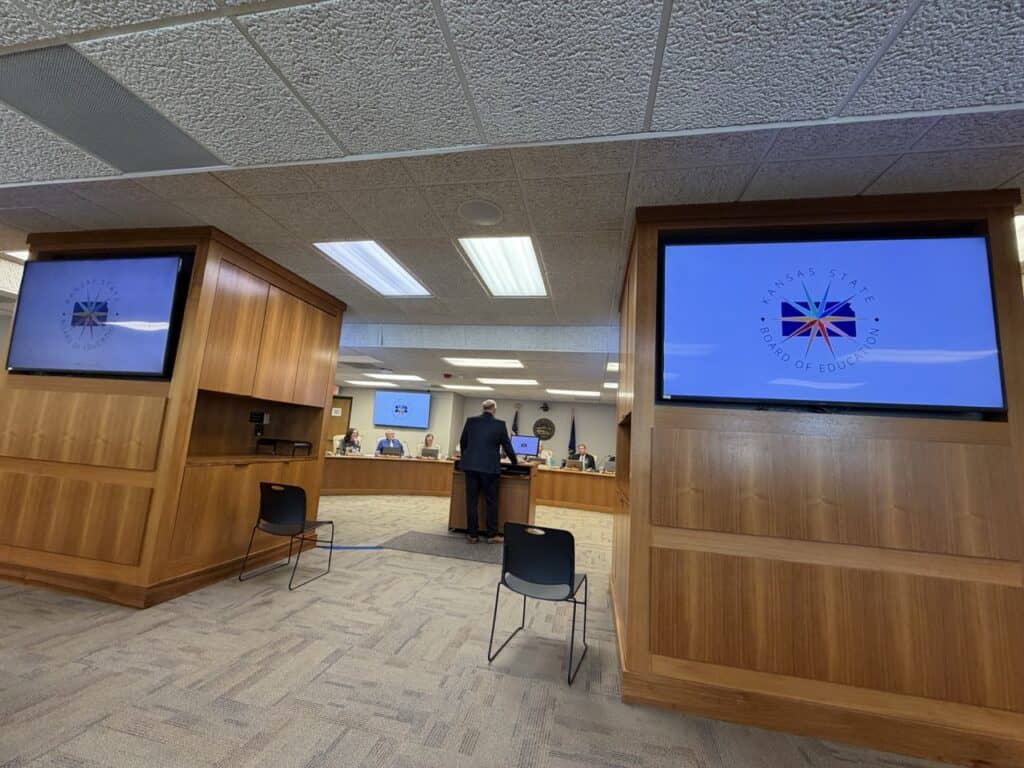
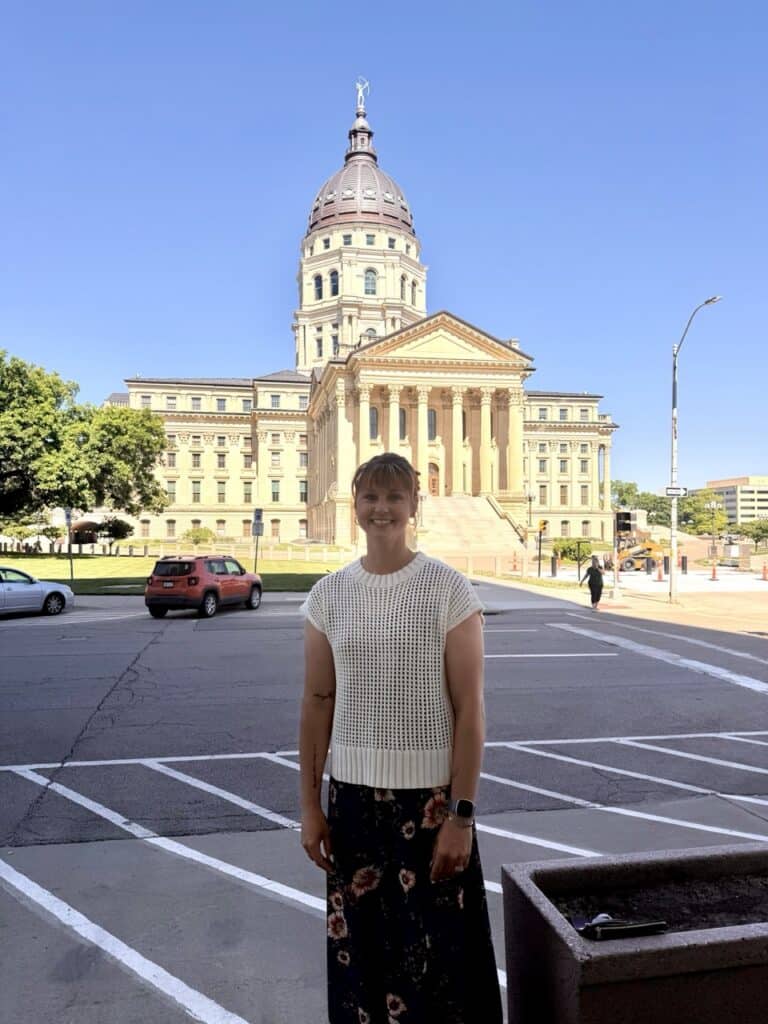
Last week, Superintendent Paul Larkin, Elementary Principal Liz Plunkett, and parents Taryn Parks and Ronna Simon stood before the Kansas State Board of Education and shared what a year of that kind of leadership looks like when it takes root in a community. What they described was not a program. It was a movement — small, Midwestern, and unmistakably real.
The Kansas State Board of Education exists to support districts and educators — to see the work happening on the ground, amplify it, and help more communities find the courage and the tools to follow. What Syracuse brought to that room last week gave the board exactly that: proof that when a district decides to act, the impact is undeniable, and it doesn’t stay inside the school walls.
Table of Contents
The Leader Who Went First
Superintendent Paul Larkin will tell you plainly that he didn’t have all the answers when he started down this road. Digital safety had been a concern for years. The state’s Blue Ribbon Task Force had produced thoughtful recommendations, and his district had acted on many of them — reducing screen time, pulling devices out of classrooms. But the harder piece — actually educating students and families about why screens affect us the way they do — remained unsolved.
“The education portion — I didn’t have any idea what we should do. We already have the awareness. We just really need the education portion of that.”
— Superintendent Paul Larkin, USD 494

A personal connection led him to a conversation with Katie Longhauser, founder of The Screen Guardians. After months of calls through the summer — reviewing the program, asking hard questions, making sure it was built for real classrooms and real families — Larkin committed. Syracuse would become a pilot district.
What drew him in wasn’t just the content. It was the structure. He wasn’t looking for a one-time assembly that kids would forget by lunch. He needed something that worked K through 12, something teachers could deliver without hours of additional prep, and something that brought parents into the conversation alongside their children.
“I was not interested in a one-time assembly. This program provides mental health education, digital safety, talks about the reduction of screen time — and it goes kindergarten all the way up to seniors. It checked all the boxes.”
— Superintendent Paul Larkin
That is the decision that set everything else in motion. One leader, one yes, one community invited into something bigger than any of them could do alone.
The Principal Who Got in the Weeds
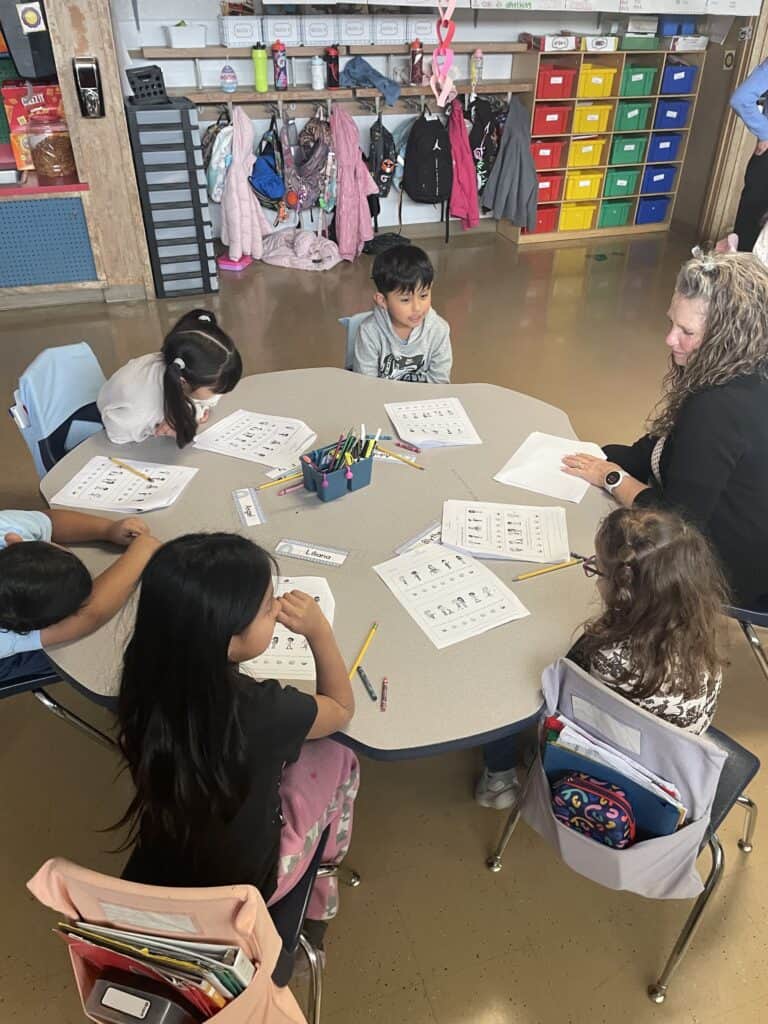
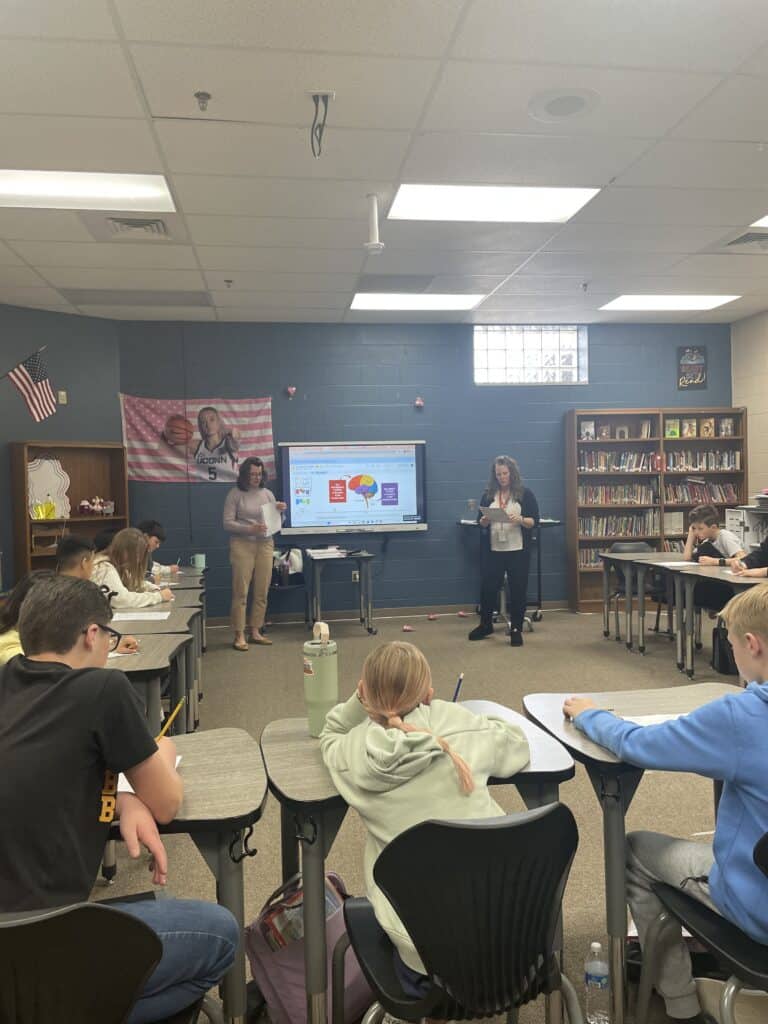
Collective action requires people at every level to say I’m in — not just in theory, but in practice. Principal Liz Plunkett said it in the most concrete way possible: she picked up the curriculum herself and taught it.
A public educator since 1996, Plunkett had watched something shift in her youngest students over the years — kindergartners arriving less able to self-regulate, less persistent with tasks, with weaker fine motor skills than the generation before them. Two years ago, her kindergarten teachers came to her and asked if they were required to use iPads. She said no. They stopped. The school has since eliminated technology for all kindergarten and first grade students entirely. The kids haven’t missed it.
Screen Guardians gave her the next layer. She and her school counselor taught the lessons together, from inside the classroom, because they wanted to know — really know — whether it worked.
“We wanted to know what it looked like, how it felt, were the lessons really easy to use. And 100% to all of those things.”
— Principal Liz Plunkett
It took ten to fifteen minutes to prep a lesson. The content landed. And the kids started talking differently — about their brains, about their choices, about what was actually happening when they couldn’t put a device down.
“I’ve heard kids say, ‘My dopamine cycle’s out of whack.’ Those are things they wouldn’t know had we not done this program.”
— Principal Liz Plunkett
The lesson that stayed with her most was the one she taught sixth graders on the echo chamber effect — how seven seconds on a TikTok reel creates a digital footprint, how algorithms feed that footprint back on a loop, and how a child who opens their phone on a hard day will find the platform amplifying exactly what made the day hard.
“When you put that out there and it bounces back at you nonstop — no wonder you feel sad, no wonder you feel anxious. And then you continuously seek those things out. Now the kids understand why.”
— Principal Liz Plunkett
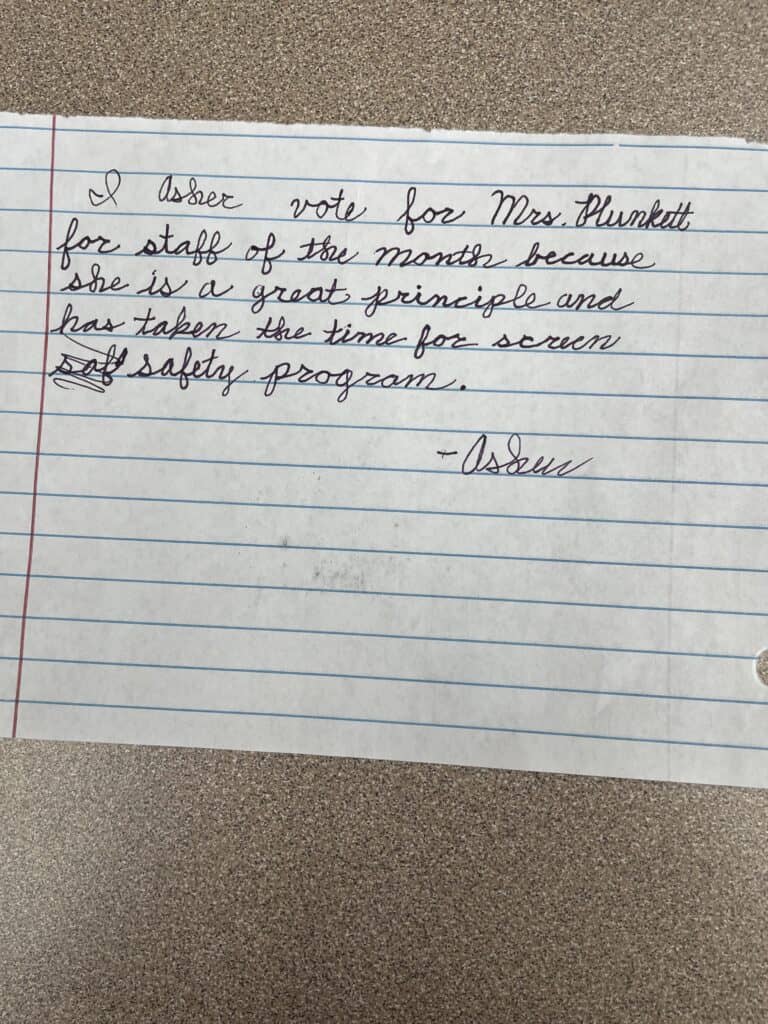
Before leaving the board room, she placed one more thing on the podium: a stack of handwritten letters from her entire fourth-grade class, addressed to the board members, describing what Screen Guardians had taught them and why it mattered. The kids had written them on their own. That is what collective action looks like when it reaches the students — they stop being passengers and start being participants.
Free Parent Course → https://thescreenguardians.com/kids-digital-health-guide/

The Parents Who Showed Up and Stayed
No community movement holds together without the people at home. In Syracuse, those people showed up to a launch night, heard something that unsettled them in the best possible way, and went home and made changes.
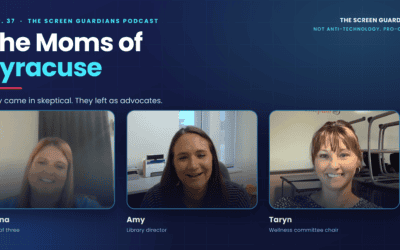
Taryn Parks came skeptical. A deeply involved parent of three, she assumed it would be another organization collecting data. She stayed. She left, in her own words, with “a lot of mom guilt” — and a clear picture of what needed to change.
Her family’s story is not unusual. It started with good intentions: an iPad for a third-grade reading intervention. The iPad became games. Games became a gaming console. Before long they were an iPad household, and none of it had felt like a problem while it was happening. Screen Guardians helped her see the arc clearly for the first time.
She set new house rules. Devices off at 7pm. Phones charged overnight in her room. More evenings with puzzles and Legos and board games. More conversations at the dinner table. Not every change landed easily — her older two pushed back. But her seven-year-old transitioned without looking back.
“My seven-year-old no longer asks for the iPad or Netflix. The hardest part of this journey is the pushback I get from my older two — they’re learning, they’re just not accepting it as quickly as I am.”
— Taryn Parks, parent of three, USD 494
The moment that moved her most wasn’t a rule she enforced or a device she took away. It was a casual afternoon conversation when her seven-year-old told her his dopamine was getting “skyrocketed too quickly” and announced he was going outside.
“It doesn’t seem like a big deal to them,” she told the board. “But it’s a huge deal to me as a parent.”
Parks didn’t stop at her own front door. She joined the Screen Guardians Task Force. She started talking to the other kids who cycle through her home. She is, in the truest sense of the phrase, a community multiplier — someone the program reached who then reached further.
Ronna Simon, another USD 494 parent and member of the school site council, wrote a letter that Principal Plunkett read aloud to the board. Her family had set a five-hour daily screen limit and genuinely believed it was working. The launch night showed her it wasn’t — and more importantly, showed her why.
“What Screen Guardians offers goes beyond simple awareness. They are educating students on what is actually happening in their brains when they use these devices. This is not a one-time presentation. It is a structured curriculum designed to truly teach and influence lasting habits. I believe this kind of education is not only valuable but absolutely necessary for our children today.”
— Ronna Simon, USD 494 parent
American Academy of Pediatrics — digital media guidelines →
What Collective Action Actually Looks Like
It looks like a superintendent who didn’t wait for a perfect answer and instead found a good one and got started. It looks like a principal who taught the lessons herself so she could speak to them honestly. It looks like a parent driving across Kansas to stand in front of a state board and say, this is working, and our kids needed it. It looks like a fourth grader writing a letter to a board member explaining what a dopamine cycle is and why it matters.
It looks like a community that decided, together, that the wait was over.
The Kansas State Board of Education heard all of it last week. They heard what one year of aligned leadership — district, school, and family — produces when it is pointed at something real. The board’s role is to see that work and help more communities find their way to it. Syracuse is not an outlier. It is a model.
“If we see kids of all ages using the word ‘dopamine’ and accepting the fact that they may be on technology too much — we adults need to take that into consideration. Because they’re willing to try and meet us halfway.”
— Taryn Parks
They are willing to meet us halfway. The question is whether we will go first.
The Screen Guardians is a K–12 digital wellness and screen health education program serving school districts and communities across Kansas and beyond. Learn more at thescreenguardians.com.
Sources: