
I never thought I’d be cheering for a landline.
I teach digital health. I write school programs about it. And here I am, watching parents reconnect the family phone—or buy a brand-new one shaped like a tin can—and feeling something I don’t always feel when a new “kid tech” trend goes viral.
Hope.
Because the comeback of landline phones for kids isn’t really about the phone. It’s about what the phone represents: a way for our kids to stay connected to their friends without handing them the whole internet at age nine. And as someone who has spent years walking alongside worried parents, I think this trend is worth paying attention to.
Let me tell you why.
Table of Contents
Why parents are bringing back landline phones for kids
For a long time, parents felt stuck with two bad options.
Option one: hand your child a smartphone and brace yourself for the apps, the group chats, the notifications, the dopamine loops, and everything that comes with putting a supercomputer in a ten-year-old’s pocket.
Option two: hold the line on “no phone,” and watch your child get quietly left out as their friends make plans, share inside jokes, and build their social lives on screens you can’t see.
Neither felt right. And honestly? Both made a lot of us feel like we were failing.
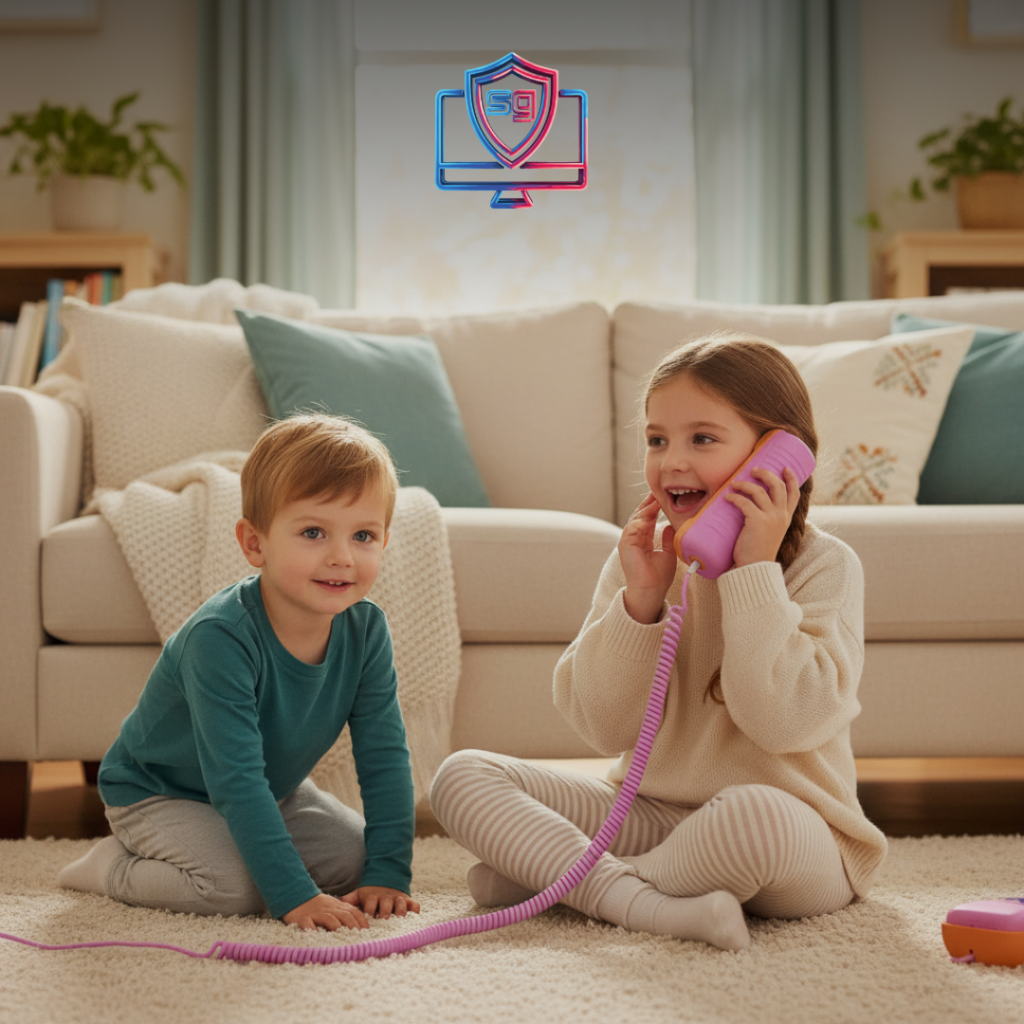
The landline offers a third path. A child can call a friend. Make plans. Practice talking to a real human voice. All without a screen, a camera, a browser, or a single app. It’s connection without the chaos.
That’s the part that gives me hope. Parents aren’t choosing between control and connection anymore. They’re choosing connection—on their own terms.
What’s actually driving the trend (and the rise of the Tin Can phone)
This isn’t just a few nostalgic families digging an old phone out of a closet. It’s a genuine cultural moment.
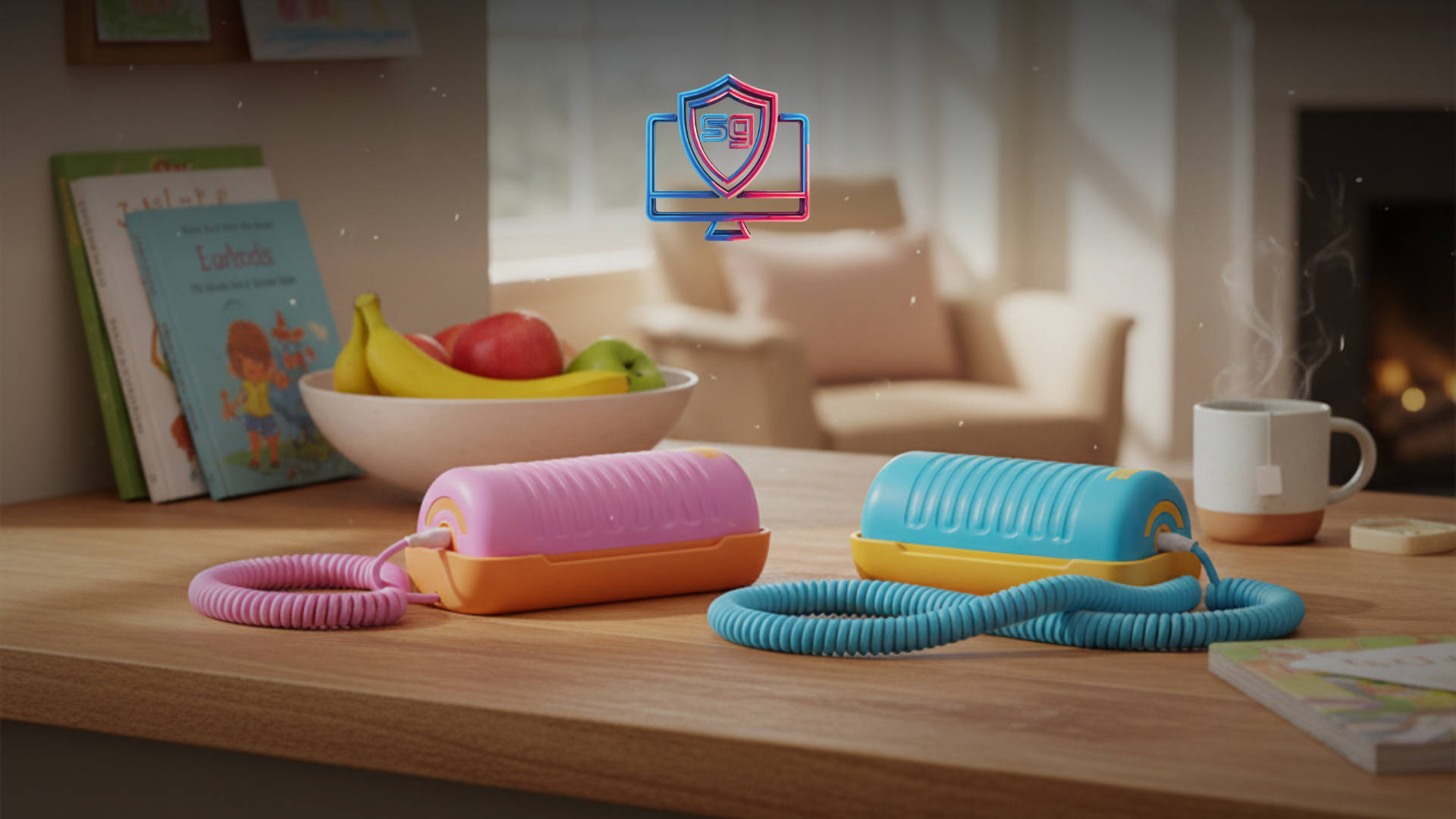
A Seattle startup called Tin Can has sold hundreds of thousands of screen-free phones designed just for kids since launching in 2025, selling out its first five production batches. The device runs about $100, looks like a retro landline, and lets kids call a small list of approved contacts—no internet, no apps, no browsing. Major outlets from CNN to Bloomberg to CBS News have covered the surge.
It’s not only Tin Can, either. Families across the country—including in big cities like New York—are simply plugging the home phone back in.
And the experts are noticing. As CNN reported, a child psychiatrist at Children’s Hospital of Colorado who specializes in childhood anxiety has seen a surge of parent interest in landlines. His reasoning is the part I want you to hear: the friend-and-family connection a simple phone makes possible is exactly the kind of bond that research links to lower anxiety—without the online exposure that so often drives it up.
That’s not anti-technology. That’s pro-child.
This is about more than nostalgia
Here’s where I want to gently push back on the eye-rolls.
When people hear “bring back the landline,” some assume it’s just sentimental—parents wishing for the good old days. But there’s real developmental gold here, and parents who’ve tried it are reporting it.
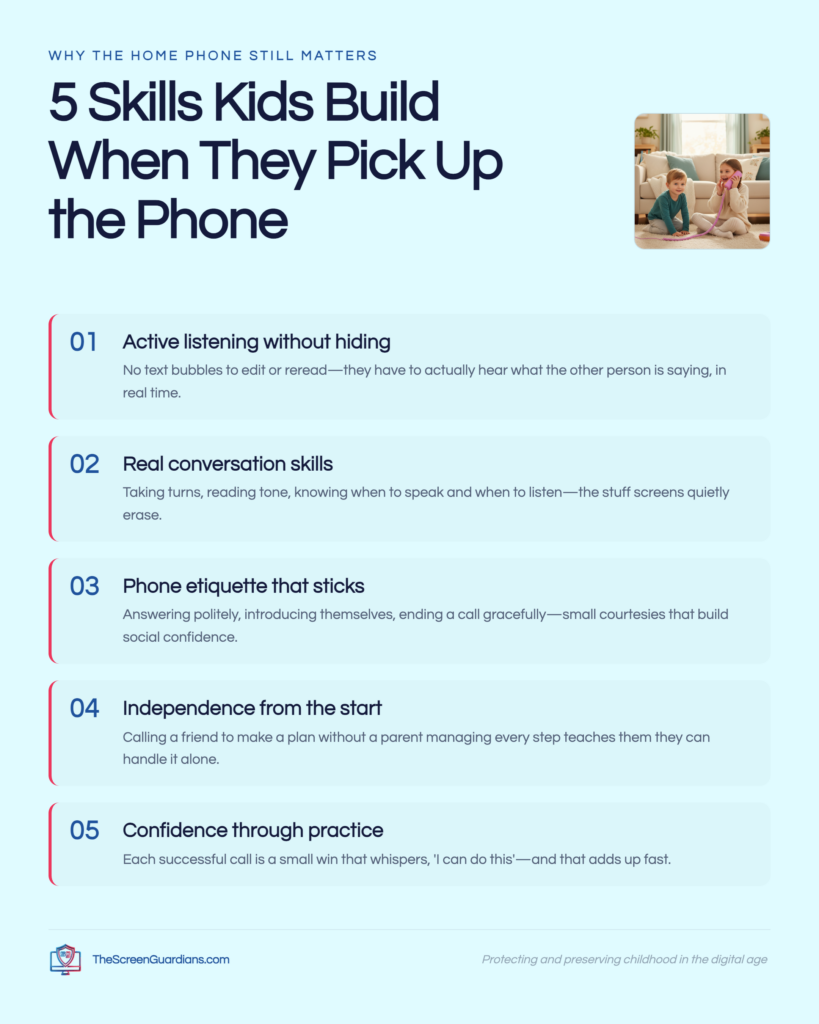
Kids using a home phone are practicing skills that screens quietly erode:
- Active listening. No text bubbles to hide behind. You have to actually hear the other person.
- Conversation skills. Taking turns. Reading tone. Knowing when to talk and when to listen.
- Phone etiquette. Answering politely. Introducing yourself. Ending a call gracefully.
- Independence. Calling a friend to make a plan—without a parent managing every step.
- Confidence. Each successful call builds a little more “I can do this.”
These aren’t small things. They’re the building blocks of healthy social development—the very things many of us worry our kids are missing in a world of disappearing messages and curated feeds.
Why this fits everything we believe about digital health
If you’ve spent any time in our world, you know our north star: education over restriction, connection over control.
Digital health was never about banning technology or shaming families. It’s about being intentional instead of impulsive. It’s about asking, “What does my child actually need here?”—and then meeting that need in the healthiest way we can.
The landline trend is a beautiful, low-tech example of that exact mindset in action.
A child doesn’t need a smartphone to call a friend. They need a way to connect. So thoughtful parents are separating the need (connection, independence, a social life) from the delivery method (a screen full of risks) and choosing a tool that serves the first without the second.
That’s not going backward. That’s parenting with clarity.
A few honest cautions before you run out and buy one
I’d be doing you a disservice if I made this sound like a magic fix. It isn’t. No single tool ever is.
A landline is a wonderful bridge—a way to delay the smartphone while still giving your child connection. But it works best as part of a bigger plan, not as a checkbox.
A few things to keep in mind:
- A phone, even a screen-free one, still means conversations you won’t always hear. Connection and trust still matter more than the device.
- The goal isn’t to delay forever. It’s to delay well—and to keep teaching your child how technology and their developing brain interact, so they’re ready when the bigger tools come.
- What works for one family won’t work for every family. Start where you are.
The landline isn’t the answer. It’s one good option among many. The real win is the shift in thinking behind it.
Frequently Asked Questions
Q: Are landline phones for kids actually safer than smartphones?
A: For young children, generally yes—a screen-free home phone has no apps, browser, social media, or camera, which removes most of the online risks parents worry about. It still allows the connection kids genuinely need. As always, your guidance and conversations matter more than any device.
Q: At what age should I consider a landline instead of a smartphone?
A: There’s no single magic number. Many families use a landline or a screen-free phone during the elementary and middle school years as a bridge—giving kids social independence while delaying a full smartphone until they’re developmentally ready.
Q: Isn’t bringing back the landline just nostalgia?
A: There’s a nostalgic charm, but the benefits are real. Parents report gains in their kids’ listening skills, conversation skills, independence, and confidence—skills that screen-based communication often weakens.
Q: What is the Tin Can phone everyone’s talking about?
A: Tin Can is a screen-free, Wi-Fi-connected phone designed for kids that works like a modern landline. It lets children call a small list of approved contacts with no apps or internet, and it’s become the most visible product behind this trend.
You don’t have to navigate this alone
If this trend speaks to you, here’s my invitation: don’t treat it as the finish line. Treat it as permission.
Permission to question the assumption that your child needs a smartphone to belong. Permission to choose connection over convenience. Permission to trust the instinct that’s been whispering, “Maybe not yet.”
Whether or not you ever buy a landline, that mindset is what protects our kids—and it’s exactly what we’re here to support.
If you want practical tools, real voices, and a calm place to figure out your own family’s plan, come join us inside the Screen Guardians Parent Portal. You’re not in this alone.
Grounded in research, not fear. Always.